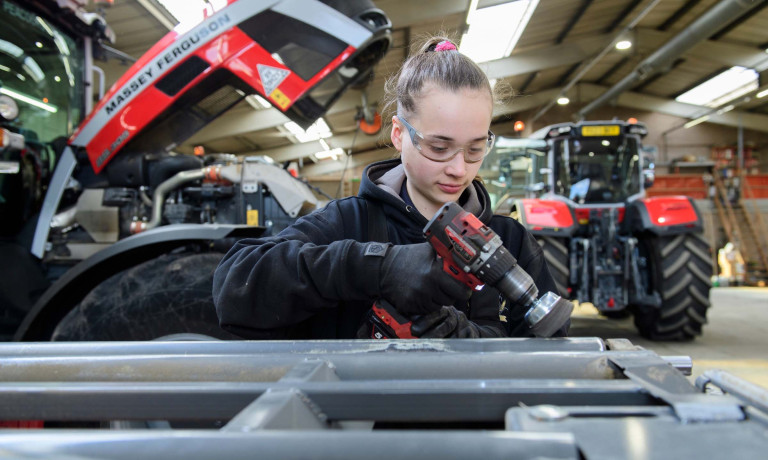
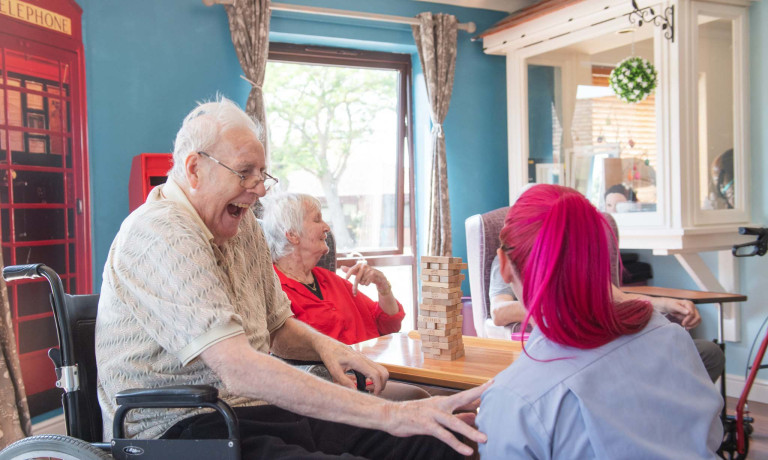
Stock photography may provide a temporary solution, but it cannot show your actual people, premises, culture or capabilities. It cannot demonstrate what happens behind the scenes or introduce prospective customers and employees to the people they may eventually meet.
Authentic photography helps close the distance between an organisation and its audience. It makes businesses feel more visible, credible and human before a conversation has even begun.
A strong image library saves marketing teams time
The return from professional photography is not limited to external engagement. A well-planned image library can make life considerably easier inside an organisation too.
Marketing and communications teams frequently need images at short notice. A colleague requests content for a presentation. A media opportunity appears unexpectedly. A recruitment advert needs to be published. A social post is ready, but there is no suitable photograph to accompany it.
Without a current image library, each request creates another search, compromise or last-minute attempt to take a picture on a phone.
Creating a varied collection of professional images gives teams a trusted resource they can return to repeatedly. Wide photographs may suit website banners and presentations. Portrait formats support social media. Detailed images can illustrate processes, while natural interactions bring internal communications and recruitment campaigns to life.
The aim is not simply to produce more photographs. It is to anticipate the different ways an organisation communicates and create the right photographs for those needs.
Photography supports recruitment as well as sales
Prospective employees research organisations just as carefully as prospective customers do.
Before applying for a position, people may visit the company website, look through LinkedIn, explore its culture and form an impression of the working environment. If the only available photographs are outdated headshots, empty buildings or generic stock images, that impression may be incomplete.
Commercial photography can show real colleagues performing meaningful work. It can communicate the atmosphere of a workplace, the scale of an operation and the variety of roles within it.
This is particularly valuable for organisations recruiting into sectors that candidates may not fully understand. Engineering, manufacturing, construction, care, education and public services all contain stories that are difficult to communicate through job descriptions alone.
Photography gives people a clearer picture of where they could belong.
The best return begins before the photography
The quality of a commercial shoot is often determined before the photographer arrives.
Good planning identifies the messages that matter, the people and processes that should be included, and the practical requirements of each marketing channel. It also prevents a shoot from becoming a rushed list of disconnected requests.
This is where partnership becomes essential.
We work with marketing teams rather than simply receiving a list and turning up with cameras. The organisation understands its people, audience and ambitions. We contribute photographic experience, ideas and an understanding of how images can work across different platforms. Bringing those perspectives together creates stronger results.
It also means challenging the brief when appropriate. The obvious photograph is not always the most useful one, and the image initially requested may not be the one that creates the greatest long-term value.
Examples of how this collaborative approach has supported different organisations can be found in our commercial photography case studies.
The experience in front of the camera matters
Professional photography should not come at the expense of the people being photographed.
Many colleagues feel uncomfortable when a camera is pointed towards them. Treating that discomfort as an inconvenience rarely produces natural results.
Creating a positive, relaxed experience helps people feel valued and allows their personalities to come through. Clear guidance, patience and reassurance are not separate from the photography; they are part of creating authentic images.
This is especially important when an organisation wants its marketing to feel welcoming and human. The audience can often sense the difference between a genuine interaction and a reluctant pose.
The finished photographs matter, but so does the experience of creating them. Respecting both leads to better working relationships and stronger images.
How should organisations measure the return?
Not every photograph can be linked neatly to a sale, and judging its value only through immediate clicks would overlook much of its contribution.
A more useful assessment might consider:
How often has the image been reused? Has it saved the marketing team time? Has it improved the consistency of the organisation’s communications? Has it helped secure press coverage, strengthened a tender or supported recruitment? Does it give customers a clearer understanding of the organisation?
The return is often spread across several channels and over a longer period.
This is another reason to think in terms of an image library rather than a single campaign. The strongest collections are designed to meet immediate requirements while leaving the organisation with valuable content for future opportunities.
Think beyond the next campaign
Marketing teams do not necessarily need more photographs. They need the right photographs: current, authentic and versatile images that reflect the organisation they are representing today.
Professional photography becomes one of the strongest marketing investments an organisation can make when it is planned with purpose and used repeatedly.
The shoot may last an hour, half a day or a full day. The resulting images can continue working for months or years.
That is the compound value of photography.
At Chris Vaughan Photography, we work in partnership with organisations to understand what they need to communicate and create an image library built around those objectives.
To explore the available options and transparent starting prices, visit our photography packages, or schedule a free online consultation to discuss how professional photography could support your organisation.